20+ Years of DUI and Criminal Defense
Built on Trust, Focused on Results
Built on Trust, Focused on Results




For more than 20 years, I have represented clients charged with DUI, DWAI, and other criminal and traffic offenses in courts throughout Colorado, including those pictured below.
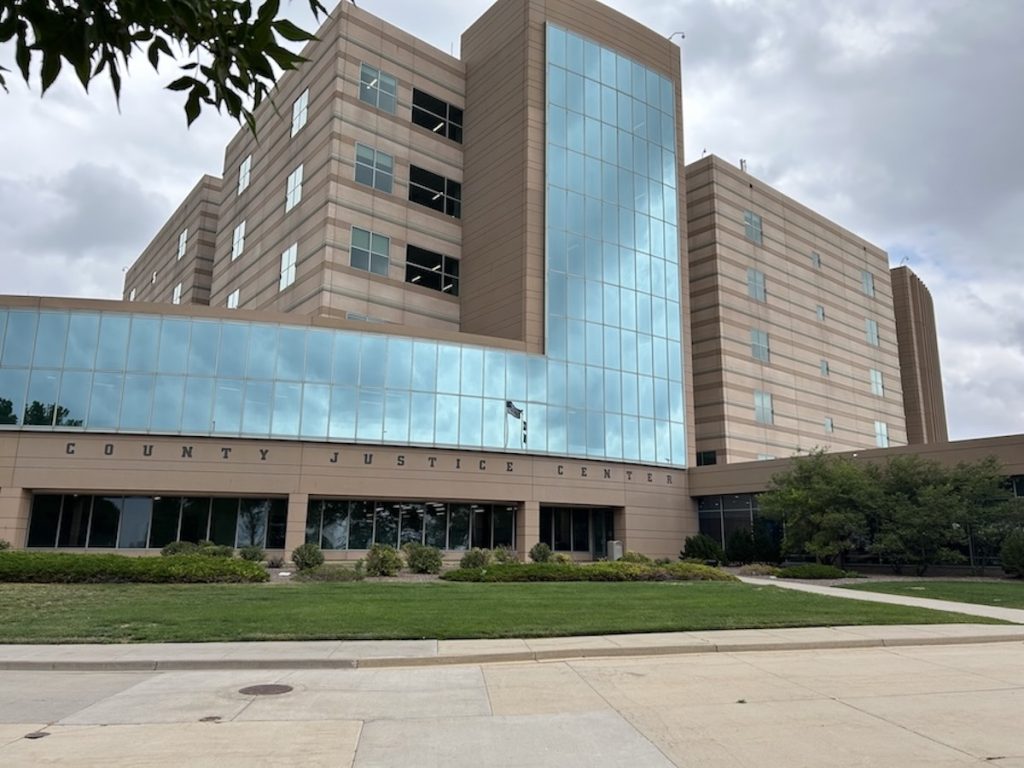
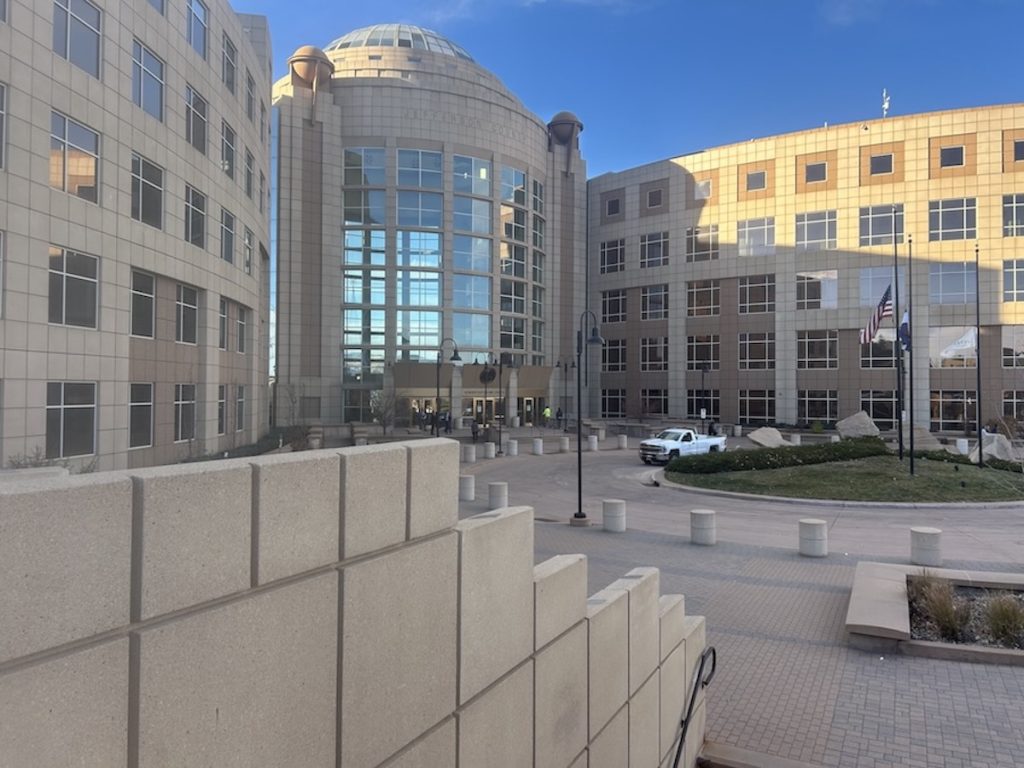
A conviction for DUI or DWAI in Colorado can result in jail, substantial fines, probation, community service, driver’s license consequences, mandatory alcohol education and treatment, and the installation of an ignition interlock device. The penalties depend upon many factors, including whether this is your first offense, your blood alcohol concentration (BAC), your prior alcohol-related driving history, and the specific facts of your case.
This page provides a general overview of the penalties authorized under Colorado law for DUI, DUI per se, and DWAI offenses. Because every case is different, the information below should not be considered a substitute for individualized legal advice.
Colorado law generally imposes progressively harsher penalties for repeat alcohol- and drug-related driving offenses. In addition to jail and fines, courts frequently order probation, Level II alcohol education and therapy, useful public service (community service), victim impact panels, monitored sobriety, and other conditions designed to reduce future impaired driving.
While the sentencing statute establishes minimum and maximum penalties, judges retain discretion in many areas, particularly for first-time offenders. Early mitigation efforts, completion of treatment, and the facts surrounding the arrest may significantly affect the ultimate outcome of a case.
A first conviction for DUI or DUI per se generally carries the following penalties:
If your BAC was 0.20 or higher, Colorado law generally requires a mandatory minimum jail sentence of 10 days, although certain sentencing alternatives may still be available depending upon the circumstances.
A first conviction for Driving While Ability Impaired (DWAI) generally carries less severe penalties than DUI, but it remains a criminal offense with significant consequences.
Typical penalties include:
As with DUI, a BAC of 0.20 or greater substantially increases the mandatory minimum jail sentence.
A second alcohol-related driving conviction carries substantially greater penalties.
Possible consequences include:
Depending upon the timing of the prior conviction and the county where the case is prosecuted, some sentencing alternatives such as work release or education release may still be available.
A third alcohol-related driving conviction typically results in substantially increased mandatory jail time together with lengthy probation, alcohol treatment, community service, and additional court supervision.
Colorado law also authorizes courts to consider residential treatment or community corrections in appropriate cases when statutory requirements are satisfied.
Unlike many states, Colorado generally charges a fourth alcohol-related driving offense as a felony, regardless of when the prior offenses occurred.
A felony DUI conviction may result in:
Not every felony DUI case is sentenced the same way. Colorado law places significant emphasis on treatment while also allowing incarceration when warranted by the facts of the case.
Colorado uses lifetime prior alcohol-related driving convictions when determining many DUI sentencing enhancements.
In addition to prior Colorado DUI convictions, certain convictions from other states may also qualify as prior offenses. Whether a particular out-of-state disposition legally counts as a prior conviction can sometimes be a contested issue requiring careful legal analysis.
Many people focus only on the possibility of jail. In reality, a DUI conviction often involves numerous additional consequences, including:
These collateral consequences frequently have a greater long-term impact than the criminal sentence itself.
Although Colorado law establishes minimum and maximum penalties, no two DUI cases are exactly alike.
Factors that frequently affect negotiations and sentencing include:
An experienced DUI attorney can evaluate these factors and develop a strategy tailored to your individual case.
Not necessarily. Colorado law allows courts to suspend the mandatory minimum jail sentence for many first-time DUI offenders who satisfy certain statutory requirements.
Possibly. The DMV license revocation proceeding is separate from your criminal court case and involves different deadlines and procedures.
Often they do. Colorado recognizes many prior alcohol-related driving convictions from other states for sentencing purposes.
That depends on the offense, your criminal history, and the facts of the case. Many DUI cases involve a combination of probation, treatment, community service, and other sentencing conditions.
If you have been charged with DUI, DUI per se, or DWAI anywhere in Colorado, understanding the potential penalties is only the first step. Every case presents unique legal and factual issues that should be carefully evaluated before deciding how to proceed.
Contact The Law Office of Monte J. Robbins, Esq. today to discuss your case and your available options.


