20+ Years of DUI and Criminal Defense
Built on Trust, Focused on Results
Built on Trust, Focused on Results




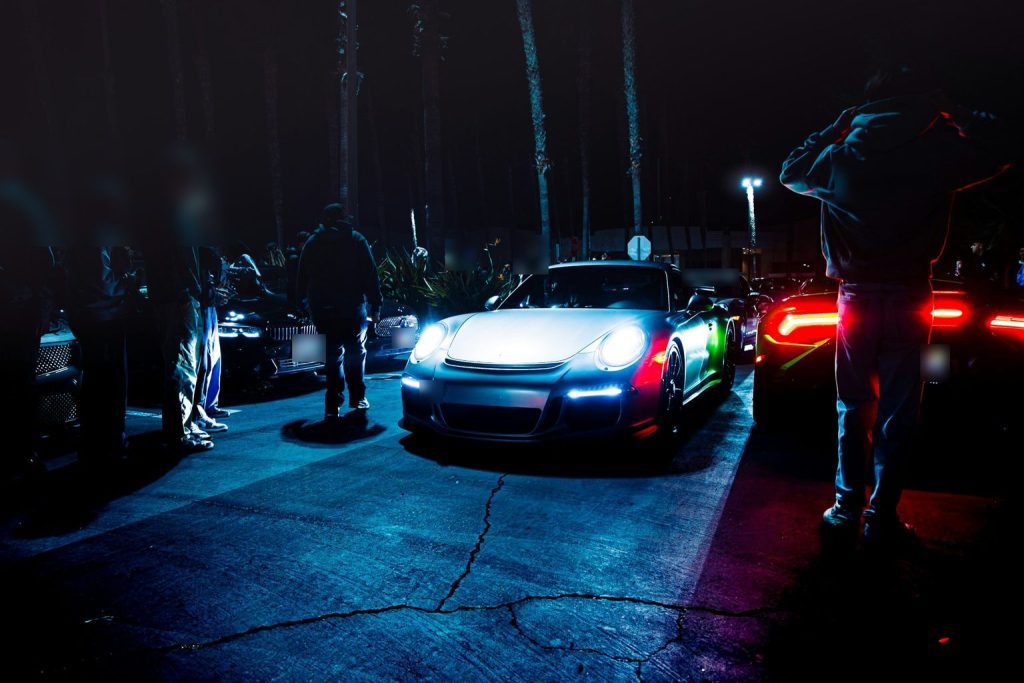
Drag racing, street racing, racing on highways, exhibition of speed: whatever it’s called on your ticket, it’s one of the most heavily targeted traffic offenses in Colorado right now. Denver has a dedicated Street Racing Enforcement Team, Aurora has a Street Racing Task Force, and more than 30 law enforcement agencies across the Front Range work together on it. A street racing arrest can mean a criminal charge, up to 12 points, and your car towed, held, and possibly forfeited.
I’m Monte Robbins. I defend drivers, passengers, and others charged with speed contests, speed exhibitions, and related offenses in Colorado county courts and municipal courts, and I personally handle every case. This page explains what these charges actually mean, what’s at stake, and how they’re defended.
Colorado law, C.R.S. 42-4-1105, separates what most people call “drag racing” into two offenses, and the difference matters a lot.
A speed contest is operating one or more vehicles to conduct a race or a time trial: rapid acceleration, exceeding safe speeds, vying for position, or changing lanes to gain an advantage over other participants. The Colorado Supreme Court has described a “contest” as implying more than one participant in a deliberate, competitive act.
A speed exhibition is a display of speed or power: squealing tires (moving or stopped), rapid acceleration, swerving or weaving through traffic, making smoke from tire slippage, or leaving acceleration marks on the road. It can be charged with only one car involved. Donuts in an intersection during a street takeover are a typical example.
Officers often write the more serious charge. Whether the facts show an actual race between participants, or one driver showing off, can mean the difference between 12 points and an automatic suspension, and 5 points with your license intact. It also changes the possible jail range. That’s often the first thing I look at.
Both offenses require that you acted knowingly on a highway (which includes public roads). The law doesn’t apply to organized competition on an authorized track or drag strip.
You don’t have to be behind the wheel to be charged. Colorado law makes it a crime to block a road or place a barricade, or help do so, to facilitate a speed contest or exhibition. That person is charged with the same offense they helped with, so the same points apply:
That’s the charge often used at street takeovers, where cars and people block an intersection while others do donuts. Prosecutors can also try to charge passengers or others as a party to the offense. But simply being present isn’t the same as aiding. The prosecution has to prove what you actually did.
For many people, losing the car is the most immediate problem.
If your car was taken, getting it back is often the first thing to work on, and it deserves attention right away.
A street racing case is rarely just one charge. Common add-ons include:
Added together, the points from one night can exceed 30, far beyond the 12 points that suspend an adult’s license. How the charges are resolved, and which ones, is what protects your license.
Street racing is charged both ways:
Which court you’re in affects the possible penalties, the prosecutor’s policies, and how the case moves.
Many cases are now built after the fact, from traffic cameras and bystander and social media video, because officers can’t always safely stop a large takeover in progress. That makes identification a real issue in many cases: who was actually driving, and can the video prove it?
These are tough cases right now. Street racing is a top enforcement priority in the metro area, and prosecutors know it. How a case resolves depends on its facts and evidence, and common issues include:
The goal is always the outcome that best protects your license and record, which may mean challenging the charge, negotiating which charges stand, or trial.
12 points, enough by itself to suspend an adult’s license. Aiding a speed contest is also 12.
5 points. It used to be 12, the same as a speed contest, but the law changed.
Yes. A speed contest is a class 1 misdemeanor traffic offense, and a speed exhibition is a class 2.
It depends on the agency and the case. Vehicles are often impounded, and some departments hold them as evidence until the case ends. Act quickly.
You can be charged with aiding if you helped block a road or facilitate the race, or as a party to the offense. Being present alone isn’t the same thing, and the prosecution has to prove what you did.
Yes. Police increasingly identify drivers afterward from cameras and social media video. Whether that video actually proves who was driving is often a key issue.
Yes. The law doesn’t apply to organized events on an authorized track or drag strip.
Call me at 303-355-5148 or contact my office for a free consultation. You’ll speak with me, not a staff member.


