20+ Years of DUI and Criminal Defense
Built on Trust, Focused on Results
Built on Trust, Focused on Results




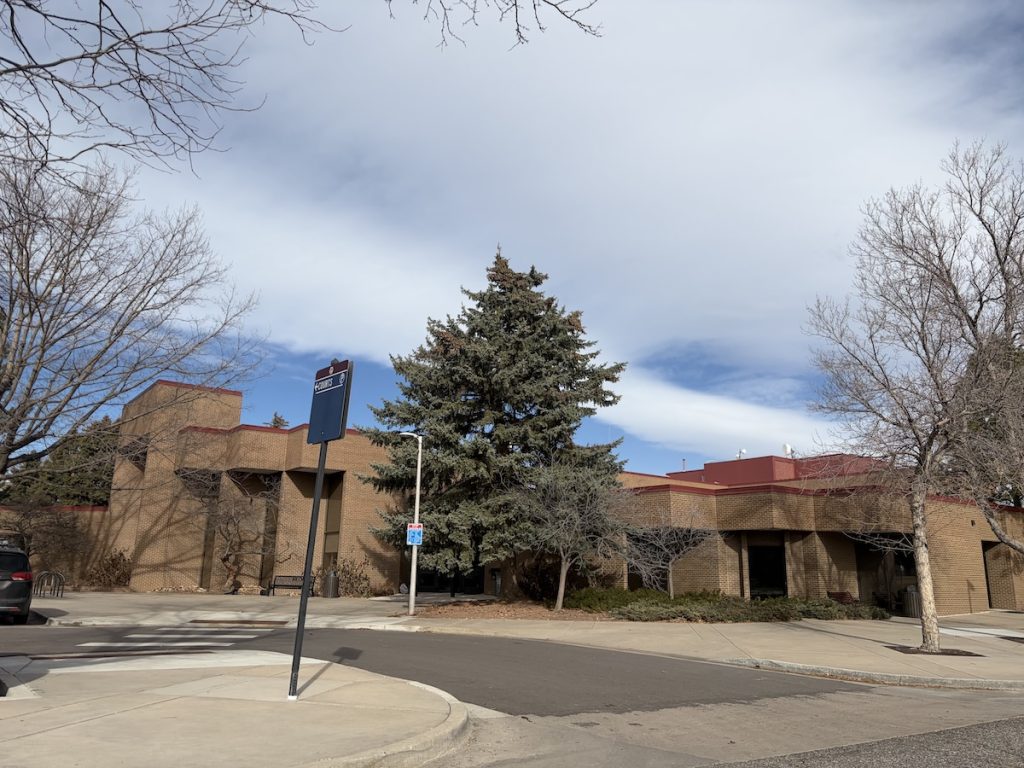
A traffic ticket filed in Arvada Municipal Court may involve more than simply paying a fine. Depending on the charge, a conviction may result in points against your Colorado driver’s license, increased insurance costs, court-ordered conditions, and—in misdemeanor traffic cases—the possibility of a jail sentence.
The City of Arvada has adopted the 2010 Model Traffic Code for Colorado, subject to the additions, deletions, and amendments contained in the Arvada City Code. Arvada Municipal Court has jurisdiction over alleged violations of the City’s ordinances, including municipal traffic offenses occurring within the Court’s jurisdiction.
Traffic cases in Arvada are classified as either misdemeanor traffic offenses or noncriminal traffic infractions. Arvada classifies certain charges as misdemeanor traffic offenses, including:
Other violations of the Model Traffic Code are generally classified as noncriminal traffic infractions.
At an arraignment, the defendant is advised of the charge and court rights and is given an opportunity to enter a plea. A defendant may plead not guilty and require the City Attorney to prove the charge beyond a reasonable doubt. Defendants also have the right to request discovery, confront and cross-examine the City’s witnesses, present evidence, subpoena witnesses, and testify or remain silent.
Before entering a guilty plea or simply paying a ticket, it is important to understand:
The Arvada Municipal Court hears a wide variety of municipal traffic cases arising under the Model Traffic Code as adopted by the City of Arvada. Depending upon the alleged offense, a case may be classified as either a misdemeanor traffic offense or a noncriminal traffic infraction.
Common traffic charges include:
These charges range from relatively minor traffic infractions to misdemeanor traffic offenses that may carry significant penalties, including the possibility of jail in appropriate cases. The appropriate defense strategy varies based on the facts of each case.
Whether a case can be negotiated, amended to a lesser offense, or taken to trial depends upon the specific facts, the available evidence, the defendant’s driving history, and the applicable provisions of the Arvada Municipal Code and Model Traffic Code. Early evaluation by an experienced traffic defense attorney can often identify defenses, evidentiary issues, or opportunities to minimize the consequences of a conviction.
Depending on the nature and stage of your case, you may be required to appear for one or more hearings in Arvada Municipal Court. Understanding the purpose of each hearing can help you prepare for what to expect and make informed decisions about your case. The Court conducts a variety of proceedings, including arraignments, pretrial conferences, trials, review hearings, and other hearings as necessary.
The arraignment is generally the first court appearance in a traffic case. During the arraignment, the judge advises the defendant of the charge or charges, explains the defendant’s rights, and asks for a plea. If a plea of not guilty is entered, the case will generally proceed toward additional hearings or trial.
In some cases, the Court may schedule a Final Pretrial Status Conference before trial. These conferences are used to ensure that both parties are prepared for trial and to address any remaining issues before the scheduled trial date.
If a case cannot be resolved through negotiation or dismissal, it may proceed to trial. Depending upon the offense charged, the trial may be conducted before the judge or, in eligible cases, before a jury. At trial, the City bears the burden of proving the alleged violation beyond a reasonable doubt.
Certain misdemeanor traffic offenses are eligible for a jury trial. A defendant seeking a jury trial must generally file a written demand within the time allowed by law and pay the required jury fee unless the fee is waived by the Court.
Following sentencing, the Court may schedule a review hearing to verify completion of sentencing requirements such as community service, classes, restitution, or other court-ordered conditions. If proof of completion is timely provided and the Court has not ordered the defendant’s personal appearance, an appearance may not be necessary.
A show cause hearing may be scheduled when a defendant fails to comply with a court order or fails to complete required sentencing conditions. The purpose of the hearing is to allow the defendant an opportunity to explain the noncompliance before the Court determines whether additional action is appropriate.
If a defendant has posted bond following an arrest, the Court may schedule a bond hearing. Failure to appear can result in forfeiture of the bond and the issuance of additional court orders.
Many defendants are surprised to learn that certain traffic offenses prosecuted in Arvada Municipal Court may be tried before a jury. Whether a defendant is entitled to a jury trial depends upon the specific charge filed.
Under the Arvada Municipal Code, defendants charged with a misdemeanor traffic offense, misdemeanor ordinance violation, or petty offense may request a jury trial by filing a written jury demand within 21 calendar days after entering a plea and paying the required $25 jury fee, unless the Court waives the fee due to indigency.
Unless a larger jury is requested, a defendant is entitled to a three-person jury. A defendant may request a six-person jury by making the appropriate request. If no timely jury demand is filed, the case will instead be tried to the Court in a bench trial.
Examples of misdemeanor traffic offenses that may qualify for a jury trial include:
Deciding whether to request a jury trial is an important strategic decision. In some cases, a bench trial before the judge may be appropriate. In others, requesting a jury trial may provide additional opportunities for investigation, negotiation, or presentation of the defense. The best approach depends upon the specific facts, the available evidence, and the legal issues involved.
The potential penalties for a traffic conviction in Arvada Municipal Court depend upon the specific offense charged, the facts of the case, the defendant’s driving history, and other relevant circumstances. While many traffic cases can be resolved without jail, certain misdemeanor traffic offenses carry the possibility of incarceration, substantial fines, probation, and other court-ordered conditions.
For offenses committed after September 1, 2023, the Arvada Municipal Code generally authorizes penalties of up to 364 days in jail, a fine of up to $2,650, or both, unless a different penalty is provided by law.
Depending upon the offense and the circumstances of the case, the Court may also impose additional sentencing conditions, including:
In addition to the penalties imposed by the Court, many traffic convictions may result in points being assessed against a Colorado driver’s license, increased insurance premiums, and, in some cases, collateral consequences affecting employment or commercial driving privileges.
Every case is different. An experienced traffic defense attorney can evaluate the evidence, explain the potential consequences, and pursue strategies aimed at reducing or avoiding the long-term impact of a traffic conviction.
Practice Note: Although the Arvada Municipal Code authorizes penalties of up to 364 days in jail and a $2,650 fine for many municipal offenses, the Presiding Judge has issued an administrative order providing that, where there is a substantially similar state-law offense, the Court generally will not impose a sentence greater than the maximum authorized under Colorado law for the comparable offense.
Every traffic case is different. Whether you have been charged with speeding, reckless driving, careless driving, no proof of insurance, or another municipal traffic offense, an experienced traffic defense attorney can help you understand your options and develop a strategy tailored to the facts of your case.
Depending on the circumstances, legal representation may include:
Many traffic cases can be resolved through preparation and informed negotiations before trial. However, when a satisfactory resolution cannot be reached, it is important to have an attorney prepared to present your case in court and advocate for the best possible outcome.
Attorney Insight: Every traffic ticket deserves an individualized evaluation. The appropriate strategy depends on the specific charge, the available evidence, your driving history, and your personal goals. In some cases, the best resolution is a negotiated disposition. In others, it may be appropriate to challenge the charge through motion practice or trial.
If you have been charged with a traffic offense in Arvada Municipal Court, you likely have questions about the court process, your rights, and the potential consequences of a conviction. Below are answers to some of the questions clients frequently ask about Arvada Municipal Court traffic cases.
It depends on the type of charge, the stage of the proceedings, and whether the Court requires your personal appearance. In some cases, an attorney may be able to appear on your behalf. An experienced traffic defense attorney can advise you whether your attendance is required.
Yes. Certain misdemeanor traffic offenses are eligible for a jury trial. Generally, a written jury demand must be filed within 21 calendar days after entering a plea, together with the required jury fee unless the fee is waived by the Court.
Many traffic convictions result in points being assessed against a Colorado driver’s license. Depending on the offense and your driving history, a conviction may also increase insurance premiums or have other consequences. An attorney can explain the potential impact of your specific charge.
Every case is different. Depending on the evidence, your driving history, and the circumstances of the alleged violation, it may be possible to negotiate a reduction, amendment, or other favorable resolution. No particular outcome can be guaranteed.
Failing to appear can result in significant consequences. Depending upon the type of case, the Court may issue a bench warrant, initiate contempt proceedings, or enter a default judgment in certain traffic infraction cases.
Arvada Municipal Court has specific documentation requirements. In many cases, the Court requires a letter from the insurance company or insurance agent verifying coverage on the date and time of the alleged violation rather than simply presenting an insurance identification card.
Paying a traffic ticket is generally treated as a conviction or admission of responsibility and may result in fines, driver’s license points, and other consequences. Before deciding how to proceed, it is often beneficial to understand your legal options and the potential long-term effects of a conviction.
An attorney can review the evidence, explain your options, negotiate with the City Attorney when appropriate, protect your rights throughout the court process, and represent you at hearings or trial if necessary. Every case is unique, and the appropriate strategy depends on the specific facts and circumstances.
Yes. Many individuals charged with traffic offenses in Arvada Municipal Court live outside Colorado or are simply passing through the state when they receive a citation. Depending on the nature of the charge and the requirements of the Court, an attorney may be able to handle many aspects of the case on your behalf. If you live outside Colorado, an experienced traffic defense attorney can explain the court process, discuss whether your personal appearance may be required, and help you evaluate your legal options.
Arvada Municipal Court
8101 Ralston Road
Arvada, Colorado 80002
Although this page focuses specifically on cases filed in Arvada Municipal Court, our office regularly represents clients in traffic cases throughout Jefferson County, including matters filed in the Jefferson County Court in Golden and other municipal courts within the county.
If your case is pending in Jefferson County Court rather than Arvada Municipal Court, you may also find our Jefferson County Traffic Lawyer – Golden, Colorado guide helpful. That page discusses county court traffic offenses, court procedures, and additional information applicable to traffic cases prosecuted in Jefferson County.
If you have been charged with a traffic offense in Arvada Municipal Court, obtaining legal advice early in the process can help you understand your rights, evaluate your options, and make informed decisions regarding your case.
The Law Office of Monte J. Robbins, Esq. represents clients charged with traffic offenses in Arvada Municipal Court and courts throughout the Denver metropolitan area. If you would like to discuss your case, please contact our office to schedule a confidential consultation.
Call (303) 355-5148 or use our online contact form to get started.


