20+ Years of DUI and Criminal Defense
Built on Trust, Focused on Results
Built on Trust, Focused on Results




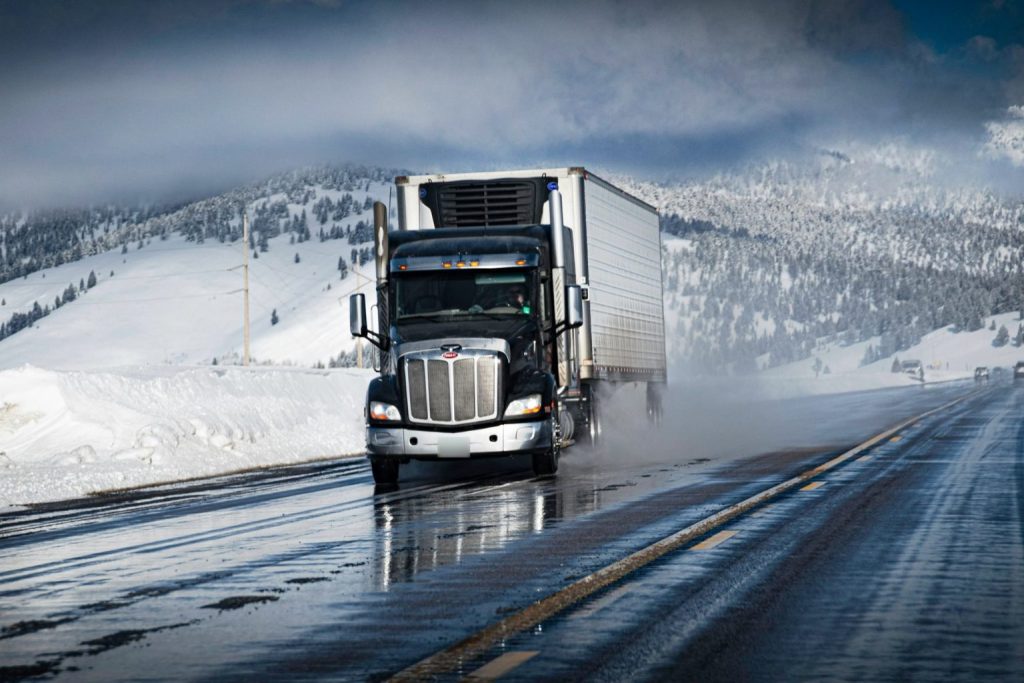
The stretch of I-70 between Morrison and Vail is one of the most heavily enforced commercial vehicle corridors in the country. It climbs more than 5,000 feet, runs through the Eisenhower-Johnson Memorial Tunnel and over Vail Pass, and carries its own set of rules for trucks: chain law, left-lane restrictions, hazardous materials routing, and grade-specific speed limits. Colorado State Patrol runs regular commercial vehicle enforcement operations here, and port of entry officers check for chains throughout the season.
If you were cited on this stretch of road, especially after a crash, a slide-off, or a stop for speeding, the stakes can go well beyond the fine. A careless driving charge, a serious traffic violation, or a crash on your record can put your CDL and your job at risk. And your case will be heard in a small mountain county court, often more than an hour from Denver and possibly a long way from where you live.
This page focuses on the courts and charges specific to the I-70 mountain corridor. For a full explanation of federal CDL disqualifications, serious traffic violations, and the masking rule, see my Colorado CDL Traffic Lawyer guide.
A citation issued by Colorado State Patrol on I-70 is generally filed in the county court for the county where you were stopped. Depending on where that was, your case will most likely be in Jefferson County Court in Golden, Clear Creek County Court in Georgetown, Summit County Court in Breckenridge, or Eagle County Court in Eagle. The court’s name and address are on your summons.
A ticket written by a town police department, such as Vail, may instead be filed in that town’s municipal court, and some mountain towns have adopted their own fines for commercial vehicles that block the highway. It matters which court your case is in, because prosecutors in each jurisdiction have their own policies on how they handle CDL cases and whether they will consider an amended charge.
If your case is in Golden, see also my Jefferson County Traffic Lawyer page.
The State Patrol responds to hundreds of crashes on the mountain corridor every year, and a meaningful share involve commercial vehicles. A tractor-trailer that slides on ice or jackknifes on a grade can lead to a careless driving charge, sometimes alongside a chain law citation. Careless driving resulting in injury is a class 1 misdemeanor traffic offense, and the road conditions, the chain law status, and the actions of other drivers can all be central to the defense.
These cases often involve more than one problem at once: a careless driving charge, a chain law citation, an out-of-service order, a carrier asking for a written explanation, and sometimes an injured driver or damaged vehicle. A State Patrol investigator may also call asking for your side of the story. Before you give a statement or resolve any part of the case, it is worth understanding how each piece could affect your CDL and your employment.
Long downgrades, runaway truck ramps, and lower posted truck speed limits on some grades make speed and gear-related citations common here. Remember that speeding 15 mph or more over the posted limit is a federal serious traffic violation, and the posted limit for trucks on a grade may be lower than the limit for passenger vehicles. Colorado’s improper mountain highway driving statute can also apply.
Commercial vehicles are restricted from using the left lane on several mountain sections of I-70, including Floyd Hill, Georgetown Hill, the approaches to the Eisenhower Tunnel, Vail Pass, and Dowd Junction. These citations are common during heavy traffic, when a driver moves left to pass a slower vehicle on a grade.
Colorado’s chain law is the citation commercial drivers most often receive on this corridor. During the chain carry season, which runs from September 1 through May 31, commercial vehicles on designated stretches of I-70 must carry enough chains or approved traction devices to comply. When CDOT activates the chain law, single-drive-axle combination vehicles must chain up under Level 1 (Code 17), and all commercial vehicles must chain up under Level 2 (Code 18).
To be candid: most drivers who get a simple failure-to-carry ticket just pay it, or their company does. It is not one of the federal serious traffic violations, and for many drivers the fine is a cost of running I-70. A chain law citation is worth a call to a lawyer when:
If any of those apply, call before you pay. Paying the ticket ends your ability to contest it.
Many drivers cited on this corridor were simply passing through. Returning to Georgetown, Breckenridge, or Eagle for a court date can mean a lost load, a lost week, and a drive back over the same mountain passes in winter conditions.
In most cases, you won’t have to. I regularly arrange for out-of-state clients to resolve mountain corridor cases without returning to Colorado, either by appearing on their behalf or by arranging a remote appearance. The court has the final say on whether your personal appearance is waived, and I will tell you up front what to expect in your case.
What you should not do is simply pay the ticket to make it go away. Paying is generally treated as a conviction to the charge as written, and that conviction can be reported to the state that issued your CDL. Before you pay, it is worth knowing exactly what the conviction will be and how your home state will treat it.
I have more than 20 years of courtroom experience defending drivers in Colorado traffic and criminal cases, and I personally handle each case. If you were cited on I-70 between Morrison and Vail and your CDL is on the line, contact my office or call 303-355-5148 before you pay the ticket or enter a plea.
You may be facing a chain law citation for blocking the roadway, a careless driving charge, and possibly local fines from the town where it happened. If anyone was hurt, the careless driving charge can become a class 1 misdemeanor traffic offense. Talk to a lawyer before giving a statement about the crash.
For a simple failure-to-carry ticket, often not. It is not a federal serious traffic violation, and many drivers just pay it. It is worth a call if your truck crashed or blocked the road, you received other charges in the same stop, or you believe the citation was wrong.
The charge may be the same, but the facts are different. A failure-to-carry citation at a chain check usually turns on the vehicle type, the route, the date, and the equipment you actually had on board, rather than on road conditions.
In most cases, yes. I can usually appear on your behalf or arrange for you to appear remotely, so you don’t have to drive back to the mountains. The court makes the final decision, and I will tell you what to expect for your specific case.
It can. Some convictions in a personal vehicle count against your CDL, including speeding 15 mph or more over the limit. See Does a traffic ticket in my personal vehicle affect my CDL? on my main CDL page.


