20+ Years of DUI and Criminal Defense
Built on Trust, Focused on Results
Built on Trust, Focused on Results




In many Colorado traffic cases, body-worn camera (“BWC”) video is one of the most important pieces of evidence available.
A traffic citation often contains only a brief description of what allegedly occurred. Even the officer’s written report typically summarizes a traffic stop that may have lasted twenty or thirty minutes. The body-worn camera frequently captures the entire encounter, providing a much more complete picture of the investigation.
For that reason, Attorney Monte J. Robbins routinely reviews body-worn camera footage whenever it is available. The video often becomes one of the most valuable tools in evaluating the strength of the prosecution’s evidence and helping clients make informed decisions regarding negotiations, motions, or trial.
Colorado has enacted statewide requirements governing the use of body-worn cameras by local law enforcement agencies and the Colorado State Patrol. In general, officers interacting with the public for law enforcement purposes are required to wear and activate a body-worn camera, subject to certain statutory exceptions. The law also addresses situations involving missing recordings, camera malfunctions, and failures to activate required recordings.
The existence—or absence—of body-worn camera footage may therefore become an important issue in the defense of certain traffic, DUI, and criminal cases.
One of the most common misconceptions is that the traffic citation tells the entire story.
It rarely does.
The citation itself often contains only a few sentences describing the alleged violation. The officer’s written report usually provides additional detail. However, the body-worn camera video frequently captures the entire interaction—from the initial contact through the completion of the investigation.
For that reason, Attorney Monte J. Robbins does not simply review the citation. He compares the body-worn camera footage with the officer’s written reports, recorded audio notes, witness statements, and other available evidence to determine whether the prosecution’s evidence is internally consistent and supported by the available facts.
During that review, Attorney Robbins looks for inconsistencies between the body-worn camera footage and the officer’s written report, evaluates whether important facts have been omitted, determines whether the officer’s observations remain consistent throughout the investigation, and identifies legal or factual issues that may affect the defense of the case.
Not every inconsistency changes the outcome of a case. However, discrepancies between the body-worn camera footage, written reports, audio recordings, and other evidence may become important during plea negotiations or at trial.
The absence of body-worn camera footage does not automatically result in the dismissal of a traffic, DUI, or criminal case. Every situation must be evaluated based upon the specific facts, the applicable law, and the reason the recording is unavailable.
However, when required body-worn camera footage cannot be located or produced, the issue often becomes an important part of discussions with the prosecution. Depending upon the circumstances, the absence of the recording may affect plea negotiations, trial strategy, evidentiary issues, or whether the prosecution ultimately decides to proceed with the case.
For that reason, Attorney Monte J. Robbins does not simply assume that all discoverable evidence has been produced. Discovery should be carefully reviewed to determine whether body-worn camera recordings referenced in police reports or other materials have actually been disclosed. When appropriate, additional follow-up may be necessary to determine whether recordings exist, where they are maintained, and whether they should be produced.
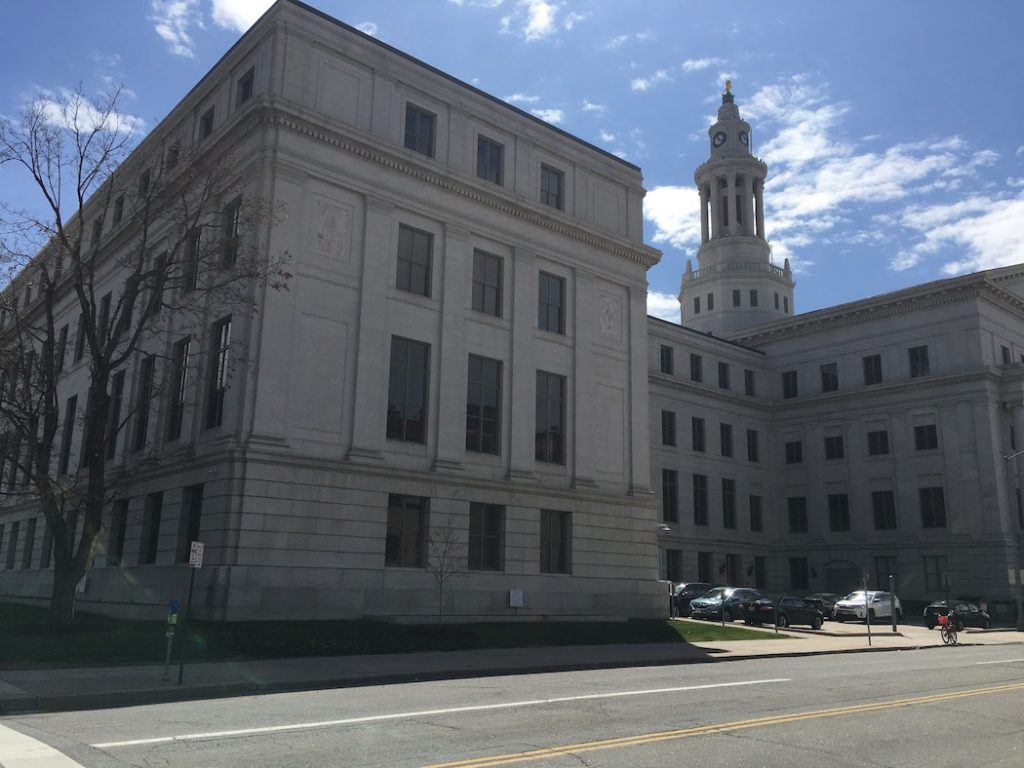
Body-worn camera evidence has become especially important in Denver traffic cases.
In many criminal traffic cases—including criminal speeding, careless driving, reckless driving, hit-and-run, and accident-related offenses—the body-worn camera often provides the most complete account of the investigation.
The video may reveal facts favorable to the prosecution, favorable to the defense, or simply provide important context that is not reflected in the officer’s written report. Regardless of the outcome, reviewing the available evidence allows Attorney Monte J. Robbins and his client to make informed decisions regarding negotiations, motions, or trial.
Body-worn camera footage is frequently one of the most significant pieces of evidence in a DUI case.
The video may capture the driving behavior, the initial contact with law enforcement, roadside questioning, field sobriety tests, the officer’s observations, and many of the statements made throughout the investigation.
Because DUI cases often depend heavily upon the officer’s observations, carefully reviewing the body-worn camera footage may become a critical part of evaluating the strengths and weaknesses of the prosecution’s evidence.
Obtaining body-worn camera footage in municipal court cases is often very different from obtaining discovery in county court or district court.
In many municipal courts, the prosecutor does not possess the body-worn camera video and therefore cannot simply provide it as part of the discovery. Instead, the recording is frequently maintained by the law enforcement agency that investigated the case.
Unlike many county court cases where discovery is typically requested through the prosecutor, municipal court procedures often require defense attorneys to work directly with the investigating law enforcement agency to obtain body-worn camera footage.
As a result, obtaining the footage may require submitting requests directly to the police department, completing agency-specific request forms, paying administrative fees, and waiting several weeks for the recording to be processed and released. In some jurisdictions, the cost of obtaining body-worn camera footage can be surprisingly expensive.
Because the process can be both time-consuming and costly, it is important to begin addressing discovery issues as early as possible whenever body-worn camera evidence may play a significant role in the defense of the case.
No two cases are exactly alike.
Although body-worn camera footage is often one of the most valuable pieces of evidence available, experienced defense attorneys must also evaluate the strategic considerations unique to each case.
Depending upon the facts, there may be situations where obtaining additional evidence clearly benefits the client. In other cases, different strategic considerations may come into play. The appropriate approach depends upon the particular facts, the applicable law, the available discovery, and the client’s objectives.
For that reason, Attorney Monte J. Robbins evaluates every case individually rather than relying upon a one-size-fits-all approach.
One of the most important parts of my representation is helping clients understand the evidence against them.
Rather than making recommendations based solely upon the citation or police report, I believe clients should understand what the available evidence actually shows whenever practical. Reviewing the body-worn camera footage together allows us to discuss the strengths and weaknesses of the case, identify potential defenses, and make informed decisions regarding negotiations, motions, or trial.
Every case ultimately belongs to the client. My role is to provide experienced legal advice based upon a careful review of the evidence so that we can determine the strategy that best serves the client’s interests.
If you have been charged with a traffic offense, DUI, or criminal offense in Colorado, Attorney Monte J. Robbins can review the available evidence, explain how body-worn camera footage may affect your case, and discuss the options available to you.


