20+ Years of DUI and Criminal Defense
Built on Trust, Focused on Results
Built on Trust, Focused on Results




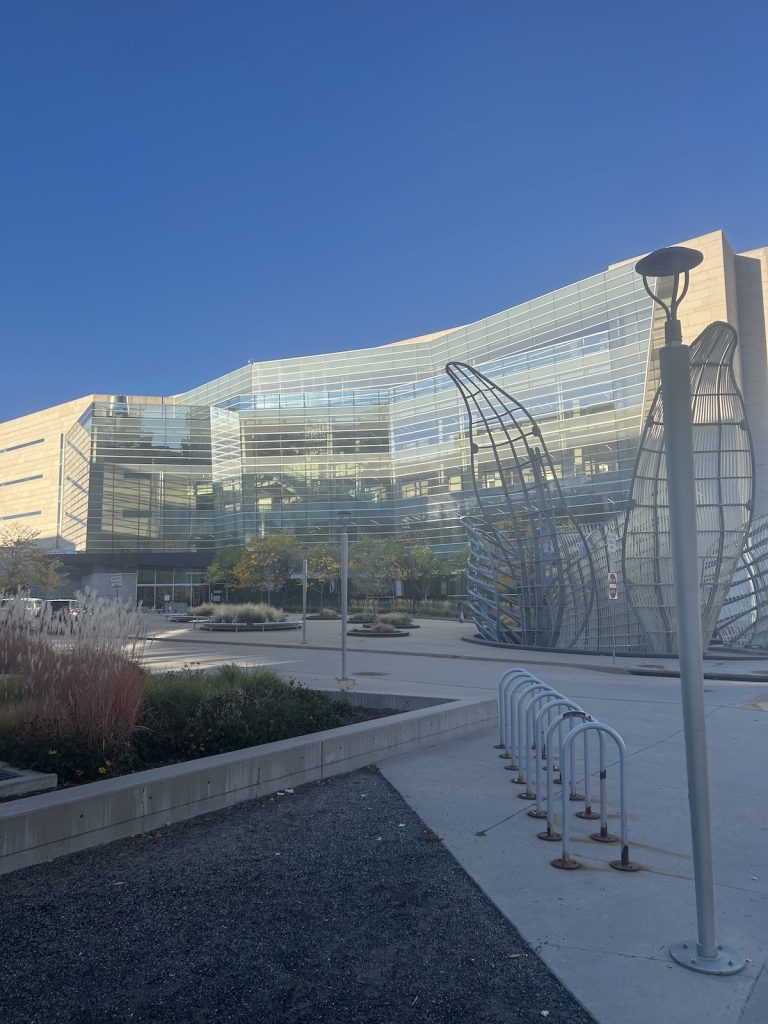
The Lindsey-Flanigan Courthouse, located at 520 West Colfax Avenue in Denver, is home to many of the Colorado state traffic and criminal traffic cases prosecuted by the Denver District Attorney’s Office. Common offenses include DUI, DWAI, reckless driving, careless driving, careless driving resulting in injury, hit-and-run, habitual traffic offender violations, driving under restraint, drag racing, and speeding charged under the Colorado Revised Statutes.
This guide explains the penalties associated with Colorado state traffic offenses, discusses the most common charges heard at the Lindsey-Flanigan Courthouse, and answers frequently asked questions about the Denver County Court process. Whether you have been charged with a misdemeanor traffic offense or a traffic infraction, understanding the potential consequences is an important first step in protecting your driving record and your future.
The Lindsey-Flanigan Courthouse handles a wide range of Colorado state traffic offenses, from traffic infractions to serious misdemeanor traffic charges. While every case is unique, the following are among the most common traffic offenses prosecuted by the Denver District Attorney’s Office at 520 West Colfax Avenue.
Driving Under the Influence (DUI) is one of the most serious traffic offenses prosecuted at the Lindsey-Flanigan Courthouse. A DUI conviction may result in jail, fines, probation, public service, alcohol education and therapy, driver’s license consequences, ignition interlock requirements, and increased insurance premiums. Depending upon the circumstances, a DUI arrest may also trigger a separate Colorado DMV Express Consent proceeding that can affect your driving privileges even before your criminal case is resolved.
Whether you are facing your first DUI or have prior alcohol-related driving convictions, the potential penalties increase substantially with each subsequent offense.
To learn more about DUI defense and the penalties associated with Colorado DUI charges, see the following resources:
DWAI is one of Colorado’s most frequently charged alcohol-related driving offenses. Although generally less serious than DUI, a conviction may still carry jail, fines, probation, alcohol education and therapy, driver’s license points, and other significant consequences.
Careless driving ranges from relatively minor traffic incidents to serious accident cases involving property damage, bodily injury, serious bodily injury, or death. Depending upon the circumstances, a conviction may result in fines, driver’s license points, restitution, probation, or even jail. Restitution may also be ordered to compensate victims for their financial losses.
Colorado law recognizes several variations of careless driving, including Careless Driving, Careless Driving Resulting in Bodily Injury, Careless Driving Resulting in Serious Bodily Injury, Careless Driving Resulting in Death, and Careless Driving Involving a Vulnerable Road User.
For more information about Colorado careless driving charges and these related offenses, see the following resources:
Reckless driving is a misdemeanor traffic offense that carries the possibility of jail, fines, probation, and significant driver’s license points. Prosecutors frequently evaluate the driver’s speed, surrounding traffic conditions, and overall manner of driving when determining how to resolve the case.
Leaving the scene of an accident can result in serious criminal penalties, particularly when another person has been injured or killed. These investigations frequently involve witness statements, surveillance video, body-worn camera footage, vehicle damage evidence, accident reconstruction, and forensic analysis. Depending upon the circumstances, charges may range from relatively minor property damage offenses to serious felony cases involving bodily injury or death.
For a comprehensive overview of Colorado hit-and-run law and the various offenses that may be charged, see our Denver Hit-and-Run Defense Lawyer – Protecting Drivers Across Colorado guide.
Many drivers first learn they are under investigation after receiving a letter from a detective with the Denver Police Department’s Traffic Investigations Unit requesting that they contact the investigator. If you have received one of these letters, see our Denver Hit and Run Lawyer guide for additional information about the investigation process.
Additional hit-and-run resources include:
Habitual Traffic Offender (HTO) cases often arise after a driver’s license has been revoked due to repeated serious traffic violations. Because these charges can carry significant criminal penalties and long-term driver’s license consequences, it is important to understand both the criminal court process and the related Colorado DMV issues.
To learn more about Habitual Traffic Offender cases and related offenses, see the following resources:
Driving Under Restraint charges vary considerably depending upon the reason the driver’s license was suspended or revoked. Some DUR offenses carry mandatory minimum jail sentences, while others may be resolved without incarceration depending upon the facts of the case, the driver’s record, and the basis for the restraint.
For more information about Colorado Driving Under Restraint charges, potential penalties, and possible defenses, see our Denver Driving Under Restraint (DUR) – 2025 Guide.
Although the Lindsey-Flanigan Courthouse primarily handles criminal traffic cases, it also hears Colorado traffic infractions that are charged alongside related criminal traffic or criminal offenses. While traffic infractions generally do not carry jail time, they may result in fines, driver’s license points, and increased insurance premiums.
The penalties for a Colorado traffic offense depend upon the specific charge, the driver’s criminal and traffic history, and the facts of the case. Some offenses are classified as misdemeanor traffic offenses, while others are designated as unclassified misdemeanors or traffic infractions with their own statutory penalties. In addition to fines and possible jail time, many convictions may also result in driver’s license points, restitution, probation, public service, or other court-ordered conditions.
Class 1 misdemeanor traffic offenses are among the most serious traffic charges prosecuted in Denver County Court. A conviction may result in 10 days to 1 year in jail, a fine of $300 to $1,000, court costs, probation, public service, restitution when applicable, and driver’s license points.
A Class 2 misdemeanor traffic offense carries a possible penalty of 10 to 90 days in jail, a fine of $150 to $300, court costs, probation when appropriate, and driver’s license points.
Certain Colorado traffic offenses have their own penalty provisions established by statute rather than the general misdemeanor traffic classifications. Common examples include DUI, DWAI, Driving Under Restraint (DUR), Driving Under Restraint–Alcohol (DUR-Alcohol), and Habitual Traffic Offender (HTO) offenses. Depending on the charge, these cases may carry mandatory minimum penalties, enhanced penalties for repeat offenses, driver’s license consequences, and other sentencing requirements.
Traffic infractions generally do not carry the possibility of jail. However, a conviction may still result in fines, court costs, driver’s license points, increased insurance premiums, and, in some cases, the accumulation of enough points to place a driver’s license at risk of suspension.
In cases involving property damage or personal injury, the court may order restitution requiring a defendant to reimburse victims for financial losses resulting from the offense. Restitution can include medical expenses, lost wages, property damage, or other out-of-pocket losses supported by the evidence.
In cases involving property damage or personal injury, the court may order restitution requiring a defendant to reimburse victims for financial losses resulting from the offense. Restitution may include medical expenses, lost wages, property damage, insurance deductibles, or other out-of-pocket losses that are supported by the evidence.
To learn more about how restitution is determined in Colorado traffic cases, what losses may be recoverable, and how restitution claims may be challenged, see our guide: Restitution in Colorado Traffic Cases (Title 42).
Many Colorado traffic convictions result in points being assessed against a driver’s driving record. Accumulating too many points within the applicable statutory period may lead to a Colorado driver’s license suspension through the Division of Motor Vehicles, separate and apart from the criminal court case.
The Lindsey-Flanigan Courthouse handles many of the most serious Colorado state traffic and criminal traffic cases prosecuted in Denver County Court. Common charges include DUI, DWAI, reckless driving, careless driving, careless driving resulting in injury, hit-and-run, habitual traffic offender (HTO) offenses, driving under restraint (DUR), driving after revocation prohibited (DARP), drag racing, speed contest, and other misdemeanor traffic offenses charged under the Colorado Revised Statutes. Depending on the circumstances, the court may also hear related Colorado traffic infractions that are filed together with criminal traffic or criminal charges.
Because every case is different, the specific charges, potential penalties, and court procedures will depend on the facts of the case and the statutes alleged to have been violated. Throughout this guide, you’ll find detailed information about many of the most common Colorado traffic offenses prosecuted at the Lindsey-Flanigan Courthouse, along with links to more in-depth resources covering each charge.
Generally, yes. Unlike many traffic cases prosecuted in Denver County Court at 1437 Bannock Street, the Lindsey-Flanigan Courthouse primarily handles criminal traffic cases, and the court generally expects defendants to appear for scheduled court hearings. Failing to appear may result in the issuance of a bench warrant and other adverse consequences.
In some circumstances, an attorney may be able to request permission for a limited virtual appearance or appear on a client’s behalf for certain proceedings. However, because every case is different, you should not assume that your personal appearance will be waived. If you have questions about whether you must appear, it is important to discuss your specific case with your attorney before your court date.
I Received a Letter from the Denver Police Department’s Traffic Investigations Unit. Do I Need a Lawyer?
If you receive a letter from the Denver Police Department’s Traffic Investigations Unit requesting that you contact a detective, provide a statement, or bring your vehicle in for inspection, it is generally wise to understand the nature of the investigation before responding. In many cases, the detective is investigating an alleged hit-and-run accident or another traffic-related offense.
If a detective with the Denver Police Department’s Traffic Investigations Unit requests that you provide a statement or bring your vehicle in for inspection, they’re not inviting you over for coffee. You are the subject of a criminal investigation, plain and simple. Before speaking with investigators or consenting to a vehicle inspection, it is generally advisable to consult with an attorney so that you fully understand your legal rights and the potential consequences of those decisions.
For more information about Traffic Investigations Unit letters and Colorado hit-and-run investigations, see our Denver Hit and Run Lawyer guide.
Yes. I regularly represent clients from across the United States who have been charged with Colorado traffic and DUI offenses. Much of the representation can often be handled remotely through telephone calls, email, video conferencing, and secure electronic signatures, eliminating the need for multiple trips to Colorado.
Because the Lindsey-Flanigan Courthouse primarily handles criminal traffic cases, personal appearances are generally required. However, in certain circumstances, I may be able to obtain the Court’s permission for a virtual appearance. Every case is different, and whether a virtual appearance will be permitted depends upon the nature of the proceeding and the Court’s approval. Throughout your case, I will advise you of any required court appearances and work to minimize unnecessary travel whenever possible.
Not necessarily. Whether your driver’s license is suspended or revoked depends upon the specific offense, your driving history, the number of driver’s license points assessed, and whether separate Colorado DMV administrative proceedings apply. While many traffic convictions result only in driver’s license points, more serious offenses—such as DUI, Habitual Traffic Offender (HTO), Driving Under Restraint (DUR), and certain repeat violations—may carry mandatory or discretionary driver’s license consequences.
In some cases, the criminal court proceeding and the Colorado DMV proceeding are entirely separate. For example, a DUI arrest may trigger a Colorado DMV Express Consent action in addition to the criminal case pending in court. Understanding both proceedings is critical because the outcome in one does not necessarily determine the outcome in the other.
For more information about Colorado driver’s license suspensions, DMV hearings, and license reinstatement, see our Colorado DMV Hearing & License Reinstatement resources.
When a traffic offense results in bodily injury or death, the potential consequences increase significantly. Depending upon the facts of the case, prosecutors may file more serious criminal charges carrying enhanced penalties, and the case may involve accident reconstruction, medical records, expert witnesses, and other complex evidence.
In addition to the criminal case, the court may order restitution requiring a defendant to reimburse the victim for certain financial losses, including medical expenses, lost wages, and other out-of-pocket costs authorized by law. A traffic accident involving injuries may also result in a separate civil lawsuit seeking monetary damages.
If your case involves an injury accident, it is important to understand both the criminal charges and the potential financial consequences. To learn more about restitution in Colorado traffic cases, see our Restitution in Colorado Traffic Cases (Title 42) guide.
If you have been charged with a Colorado traffic offense, take the matter seriously from the outset. Read all court paperwork carefully, note any court dates and deadlines, and preserve any evidence that may be relevant to your case, including photographs, videos, witness information, or other documentation. Missing a court date or failing to comply with a court order may result in additional legal consequences.
Avoid discussing the facts of your case with anyone other than your attorney, and do not assume that a traffic charge cannot be successfully challenged or negotiated. Every case is unique, and the available defenses and possible resolutions depend upon the specific facts, the applicable law, and the evidence. Consulting with an experienced Colorado traffic defense attorney early in the process can help you understand your legal options and make informed decisions about your case.
The answer depends on the specific charges and, more importantly, the ultimate disposition of your case. Driver’s license points are generally assessed based upon the offense of conviction—not necessarily every charge originally filed by the police. In many cases, charges may be reduced, amended, or dismissed through negotiations or other legal proceedings before the case is resolved.
If keeping your driver’s license is important because of your employment or other obligations, be sure to discuss that concern with your attorney as early as possible. The potential driver’s license consequences are often an important consideration when evaluating plea negotiations and developing an overall defense strategy.
The Lindsey-Flanigan Courthouse is located at 520 West Colfax Avenue in downtown Denver, just west of the Colorado State Capitol. The courthouse handles many Colorado state traffic and criminal traffic cases prosecuted by the Denver District Attorney’s Office.
Address:
Lindsey-Flanigan Courthouse
520 West Colfax Avenue
Denver, Colorado 80204


