20+ Years of DUI and Criminal Defense
Built on Trust, Focused on Results
Built on Trust, Focused on Results




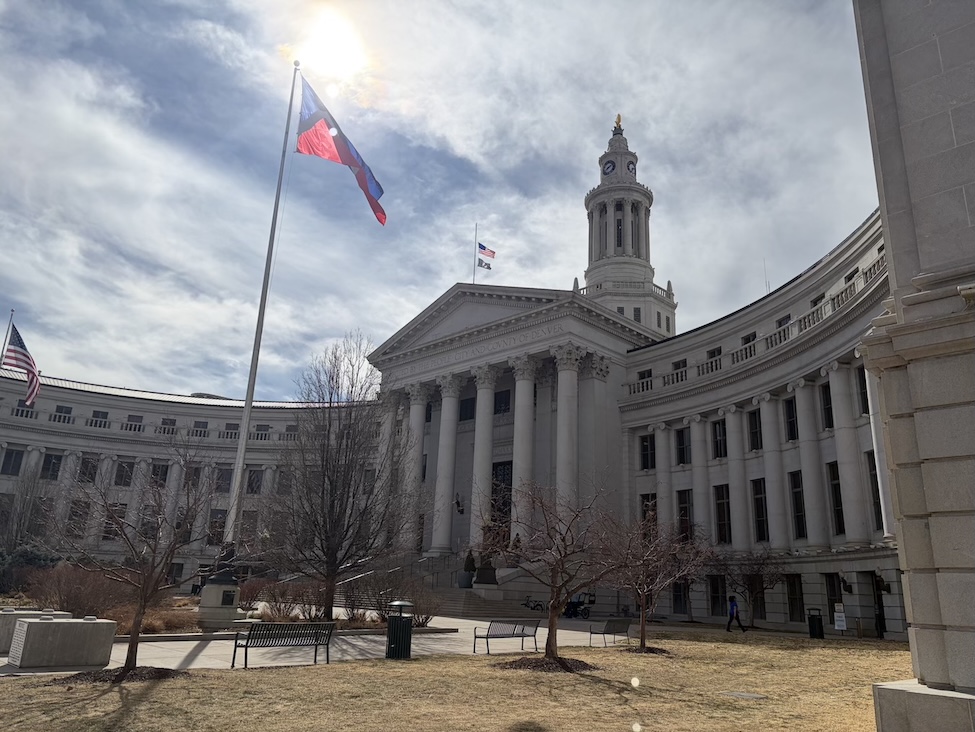
A speeding ticket is one of the most common reasons drivers find themselves in Denver County Court. While some speeding citations involve relatively minor traffic infractions, others may expose drivers to criminal charges, significant Colorado driver’s license points, increased insurance costs, or consequences for commercial driving privileges.
Before deciding whether to simply pay your ticket, it is important to understand exactly what you have been charged with and the options available to you. The appropriate strategy depends upon numerous factors, including the alleged speed, how the officer determined your speed, your driving history, whether additional charges have been filed, and the strength of the available evidence.
For more than twenty years, Attorney Monte J. Robbins has represented drivers charged with speeding offenses in Denver County Court and throughout Colorado. Every case is personally handled by Mr. Robbins from beginning to end. Whether your goal is minimizing driver’s license points, protecting your commercial driver’s license, avoiding a criminal conviction, or preparing your case for trial, you deserve an attorney who will carefully evaluate the evidence and explain your options before you make any decisions.
Many drivers believe every speeding ticket is handled the same way. In reality, speeding cases can differ dramatically depending upon the alleged speed, the applicable speed limit, where the violation occurred, whether an accident was involved, and whether additional charges accompany the citation.
Some speeding violations are charged as non-criminal traffic infractions. Others may result in criminal speeding charges or be accompanied by allegations of careless driving or reckless driving. The appropriate strategy often depends less upon the citation itself and more upon the specific facts, the available evidence, and your individual goals.
Drivers cited for speeding in Denver should also be aware of important changes to Colorado’s driver’s license point laws that took effect on August 12, 2026. Under the new law, certain repeat speeding violations may result in additional DMV points beyond the points ordinarily assessed for the speeding conviction.
The additional point penalties apply to qualifying violations involving driving 20 miles per hour or more in excess of the reasonable and prudent speed or driving in excess of Colorado’s maximum lawful speed of 75 miles per hour.
The Colorado Division of Motor Vehicles may assess the following additional points:
| Qualifying Speeding History | Additional DMV Points |
|---|---|
| Second qualifying violation within 12 months | +2 points |
| Third or subsequent qualifying violation within 24 months | +4 points |
| Fifth or subsequent qualifying violation within five years | +8 points |
Colorado law also now requires DMV to assess four additional points for driving 100 miles per hour or greater.
The new law makes a driver’s history increasingly important when evaluating a Denver speeding case. The ordinary point value associated with the current charge may no longer represent the driver’s total potential DMV point exposure.
For example, a speeding violation that ordinarily carries six driver’s license points may result in additional points when the driver has prior qualifying speeding violations within the statutory time periods. Likewise, driving 100 miles per hour or greater carries an additional four-point assessment beyond the points ordinarily associated with the underlying speeding offense.
This can become particularly important for a driver who already has points on his or her record or is approaching Colorado’s point-suspension threshold. For that reason, both the current speeding charge and the driver’s recent driving history should be considered before determining how to resolve the case.
Practice Tip: A negotiated reduction of a Denver speeding charge may affect more than the ordinary number of points associated with the ticket. When the alleged speed is 20 miles per hour or more over the applicable limit, the driver’s prior speeding history and the potential application of Colorado’s new additional point penalties should also be considered when evaluating a proposed resolution.
Law enforcement officers may rely upon a variety of methods when determining a driver’s speed, including:
Each method presents different evidentiary issues and should be evaluated individually.
Radar uses radio waves to calculate a vehicle’s speed and is one of the most common speed enforcement methods used by Colorado law enforcement officers.
LIDAR (laser) measures speed using pulses of laser light and is often used to target a specific vehicle in heavier traffic.
Pacing involves an officer following a vehicle and comparing its speed to the patrol vehicle’s calibrated speedometer over a sufficient distance.
Visual estimation may also play a role in some cases, particularly when combined with other evidence or speed detection methods.
The method used to determine speed often becomes an important part of evaluating the strength of the prosecution’s case.
Every speeding case should be evaluated on its own facts. One of the first steps in representing a client is obtaining and carefully reviewing the available discovery to assess the strength of the prosecution’s evidence.
Depending upon the circumstances of the case, the available discovery may include:
Discovery often tells the real story of the case. While the citation provides only a brief summary of what allegedly occurred, the discovery frequently provides a much more complete picture of the traffic stop and the officer’s investigation.
Attorney Monte J. Robbins carefully reviews the available discovery to determine whether the evidence supports the charge. This includes comparing the officer’s body-worn camera footage with the officer’s written reports, evaluating whether the officer’s observations remain consistent throughout the investigation, reviewing the available audio recordings, and identifying factual or legal issues that may affect the defense of the case.
Not every inconsistency results in a dismissal. However, even seemingly minor discrepancies between the officer’s body-worn camera footage, written reports, audio recordings, and other evidence may become important during plea negotiations or at trial.
Colorado law also imposes important requirements regarding the use of body-worn cameras by law enforcement officers. Depending upon the circumstances, the absence of required body-worn camera footage may become an important issue requiring further evaluation.
Attorney Monte J. Robbins represents drivers charged with a wide variety of speeding-related offenses, including:
Each type of case presents different legal and practical considerations and should be evaluated individually.
One of the most significant issues is determining whether a speeding violation has been charged as a criminal offense.
Criminal speeding cases often involve substantially greater potential consequences than routine speeding infractions. They may also involve additional charges, greater driver’s license point exposure, more frequent court appearances, and more extensive negotiations or trial preparation.
Because these cases are often more complex, they deserve careful evaluation by an attorney experienced in defending serious traffic offenses.
Drivers charged with excessive speed or criminal speeding often face issues that differ substantially from routine speeding citations. Learn more by visiting our Denver Criminal Speeding Lawyer page.
Yes. Every driver has the right to contest a speeding ticket. Whether doing so is advisable depends on the facts, the available evidence, and your individual goals.
Some cases involve factual disputes regarding the driver’s actual speed or the method used to determine speed. Others involve legal or evidentiary issues that should be carefully reviewed before deciding whether to accept a resolution or proceed to trial.
The appropriate strategy differs from case to case.
Speeding violations occurring in school zones and construction zones often carry enhanced penalties and deserve careful attention. These cases frequently involve questions concerning signage, applicable speed limits, roadway conditions, and the circumstances surrounding the alleged violation.
If you hold a commercial driver’s license—or are working toward obtaining one—a speeding conviction may have consequences extending beyond fines and driver’s license points.
Commercial drivers should understand the potential impact a speeding conviction may have on both their driving privileges and their employment before resolving a speeding case.
Many individuals receiving speeding tickets in Denver are visiting Colorado or simply passing through the state.
In many cases, Attorney Monte J. Robbins can represent out-of-state clients remotely through telephone consultations, email, and electronic document signing. Depending upon the circumstances, many court appearances can be handled without requiring the client to return to Denver. If a personal appearance is required, you will be advised well in advance, and virtual appearance options may also be explored when appropriate.
Many drivers assume paying a speeding ticket is the easiest solution. However, paying a citation generally constitutes a guilty plea and results in a conviction for the charged offense.
Before making that decision, it is important to understand the possible consequences to your driver’s license, insurance, employment, and driving history. In many cases, spending a few minutes discussing your options with an experienced traffic attorney can help you make a more informed decision.
If you have been charged with speeding in Denver, contact Attorney Monte J. Robbins for a free consultation. He can review your citation, explain the potential consequences, discuss your available options, and help you determine the most appropriate strategy for your particular case.


